How Many Vapes Can You Bring on a Plane? Key Tips Inside

Many vapers who enjoy traveling seek answers to the question, "How many vapes can you bring on a plane?" Vape regulations vary by airline and destination. Most airlines allow vaping devices in carry-on luggage, not checked bags. Restrictions usually concern e-liquid quantity and battery safety.
This article offers a comprehensive guide on everything you need to know about traveling with vapes. It includes the TSA's regulations and rules regarding vaping, as well as recommendations for the best vapes suited for travel. Additionally, we'll share practical tips for packing your vape gear to ensure a smooth airport experience and help you avoid any hassles during your journey.
How Many Vapes Can You Bring on a Plane?
Bringing vapes on a plane can be tricky due to numerous policies about e-cigarettes and related items that travelers must follow. Generally, most airlines allow 2-3 vape devices per passenger. But it's essential to check with your airline for any restrictions.
Additionally, be prepared to show your devices and spare batteries to TSA officers at the airport security checkpoint and declare any hazardous items.
Vaping on a Plane
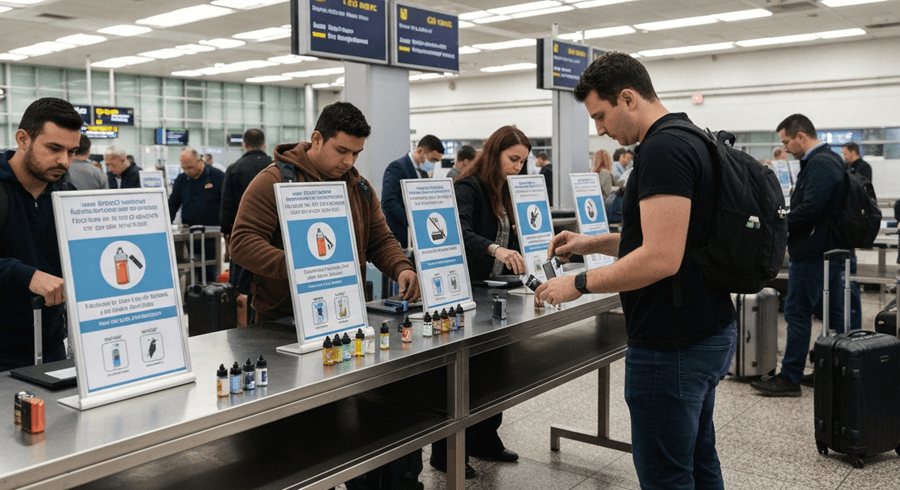
Vaping is strictly prohibited on all U.S. airline flights. Doing so is a federal law offense and can lead to severe penalties or criminal charges. Travelers should avoid vaping or using e-cigarettes before, during, and after their flights, and follow the vaping laws and regulations of their destination country.
TSA Vape Rules and Regulations
The Transportation Security Administration TSA, a federal agency charged with safeguarding travelers across the United States, has established specific rules for the transportation of electronic cigarettes. These rules cover vapes, e-cigarettes, vape pens, mods, and other electronic smoking devices.
According to TSA regulations, passengers are required to keep their vapes and e-cigarettes in their carry-on luggage, as placing them in checked bags is not allowed due to fire risks. This regulation also extends to spare batteries for electronic devices, which can pose a danger if they are damaged or short-circuited.
To avoid travel hassles, the TSA recommends securing vapes and e-cigarettes to prevent accidental activation or leaks. Use a protective case, remove the battery, or turn off the device. Accidental activation can cause overheating or explosions, while leaks may damage your device and other items in your carry-on.
TSA Liquid Rule
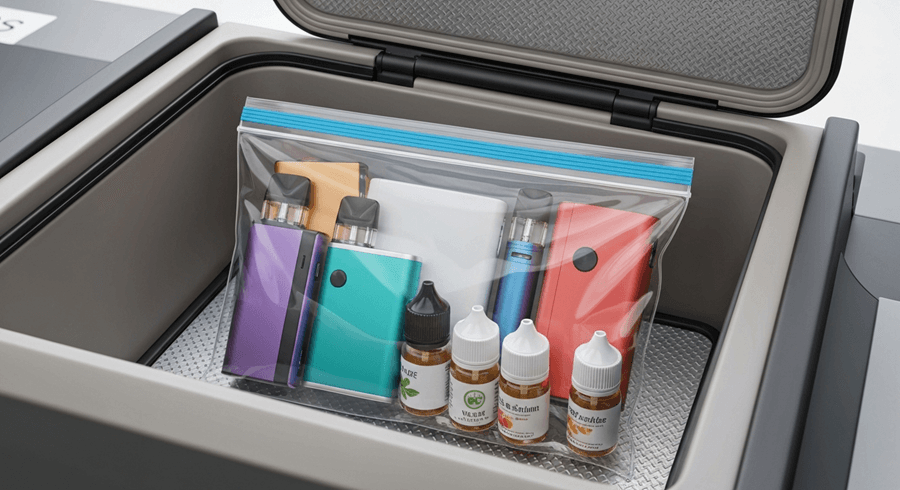
As per TSA liquid rules, each traveler may bring liquids, creams, gels, aerosols, and pastes packed in containers with a maximum capacity of 3.4 ounces (100 milliliters) each. Vapes, as long as they all fit, can be placed together in a single clear, quart-sized, sealable plastic bag per individual.
Only one such bag is allowed for each passenger in the screening bin, and you may bring multiple vapes provided you adhere to these guidelines.
Are there Restrictions on Carrying Vape Batteries on Planes?
Yes, you can bring vape batteries on planes, but only in your carry-on bag—not checked luggage—due to fire risks. Protect batteries from short circuits and check your airline's rules for any extra guidelines.
According to FAA battery rules, each lithium battery is limited to a maximum watt-hour rating of 100 Wh and should not contain more than 2 grams of lithium. The watt-hour rating indicates the battery's total stored energy, whereas the lithium content shows the exact amount of lithium it contains.
Check your device, battery label, or specifications to find the watt-hour rating or lithium content.
Alternatively, you can use the following formula to calculate the watt-hour rating: voltage (V) x ampere-hour (Ah) = watt-hour (Wh).
For instance, a battery with a voltage of 3.7 V and an ampere-hour of 2.5 Ah possesses a watt-hour rating of 9.25 Wh. Safe travels!
How Many Disposable Vapes Can You Bring on a Plane?
The number of disposable vapes you can bring on a plane depends on the volume of liquid in your device and the type of battery you use. TSA regulations govern the amount of liquid allowed, while FAA regulations govern lithium batteries in your hand luggage.
Most airlines and countries limit the number of disposable vapes you can bring in your carry-on, mainly due to battery regulations. Keep vapes in your carry-on, turned off, and always check your airline's rules and local laws before traveling.
How Many Vapes Can You Bring on a Plane on International Flights?
International flights often have stricter vape regulations than domestic ones. Most airlines allow e-cigarettes and vape devices in carry-on bags, but some countries restrict their entry. Always check your airline's policy and the destination's rules before flying, as customs checks may be more rigorous for international travel.
The FAA recommends that passengers check with their airline for any restrictions on the personal use of electronic cigarettes they may carry. Policies may vary between airlines, so it's best to confirm this information before you travel. Check British Airways policies.
Are there Different Rules for Packing Vapes in Checked Luggage Versus Carry-on?
Yes, there are different rules for bringing vapes in checked luggage versus carry-on. Generally, it is recommended to keep vapes and e-cigarettes in your carry-on baggage rather than checked luggage. Most airlines prohibit lithium-ion batteries (which power many vapes) in checked baggage due to fire hazards.
Additionally, you may be required to remove your vape from your bag during security screening. Always check with your specific airline and local regulations for any additional restrictions or guidelines before traveling. Explore if you can take vapes on a cruise.
How to Pack Vapes for Air Travel
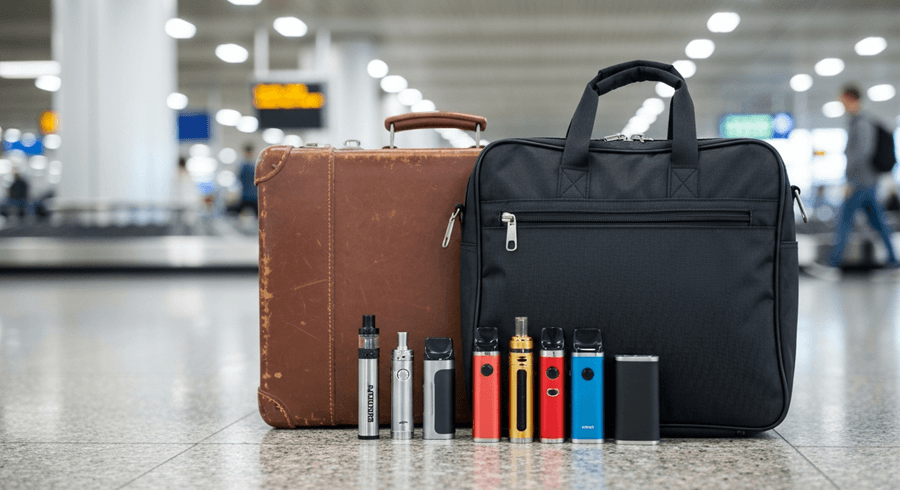
Packing your vapes for air travel can be a hassle, but it doesn't have to be. Here are some practical tips on how to pack your vapes for air travel and avoid any problems at the airport:
Use clear plastic bags or containers to store your liquids and removable batteries separately from your devices. That'll make it easier for you to comply with the TSA liquid rules and the FAA battery rules, preventing leaks or short circuits. You can store your items using ziplock bags, plastic bottles, or battery cases.
Make sure to label your bags or containers with your name and contact details. That'll help identify your belongings and avoid any possible mix-ups or confusion. You can easily use a permanent marker, a sticker, or a tag to mark your items.
To make your travel experience smoother, store your vapes and accessories in a spot that's easy to reach within your carry-on luggage. This simple step can save you time and reduce hassle during security screening. Be prepared to place your vape juice and batteries in a separate bin for inspection. Also, be ready to answer any questions that TSA officers may have about your items.
Follow the TSA officers' instructions and declare any items that may be considered hazardous materials. TSA officers play a crucial role in ensuring the safety of all passengers. During the screening process, they might ask you to open, power on, or even dispose of certain items. It's essential to cooperate with their requests and follow their guidance. Don't forget to declare any items that could be classified as hazardous materials, including butane torches, lighters, or flammable liquids.